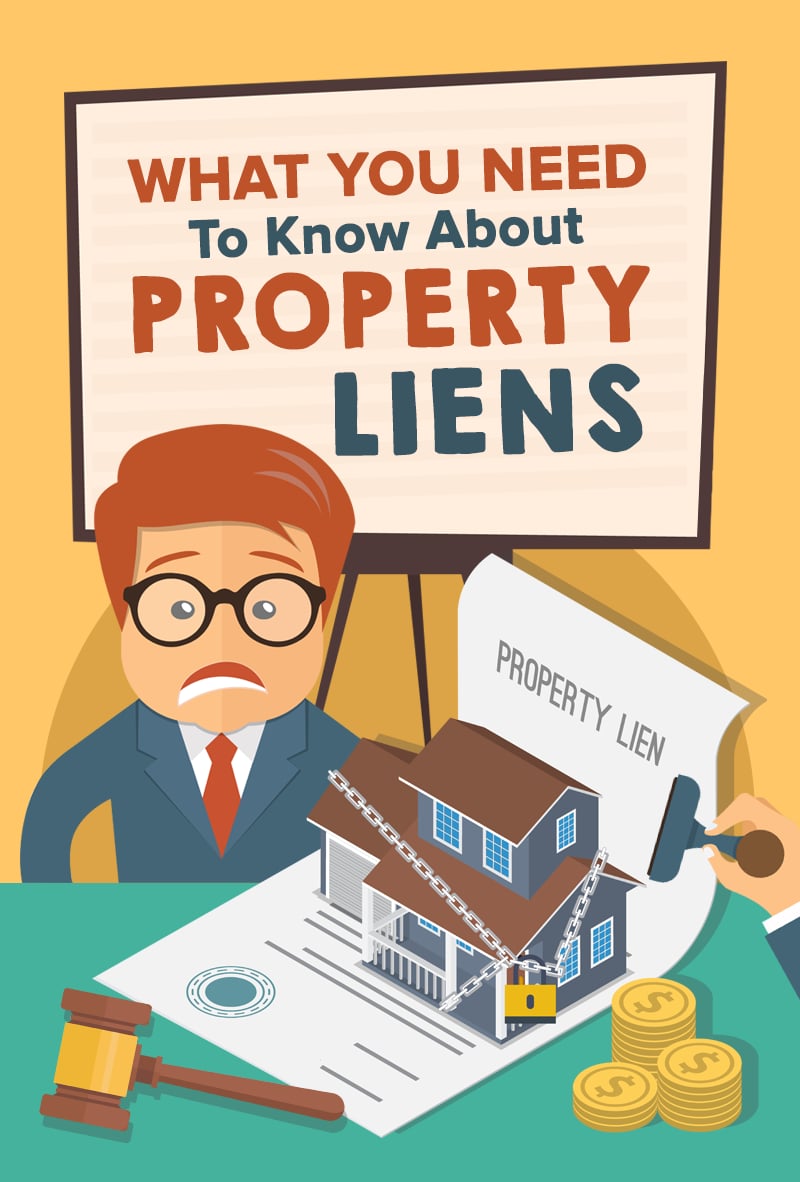
First things first: you need to have a clear idea of what a lien is. A property lien, in simplest terms, is a legal claim a creditor can put against your property as a consequence of an unpaid debt. It is the creditor's way of collecting debts you owe to them by intending to fund the money owed through the sale of one of your biggest assets—your home.
Liens filed against a property usually come from unpaid taxes, missed mortgage payments, unpaid bills, or any payments owed to contractors for work done on the home.
Property liens can slow down a real estate transaction because your title won’t be considered clear until you pay your debt. It can hinder your ability to refinance or sell your property until the lien is satisfied.
What Are the Common Types of Liens on Houses?
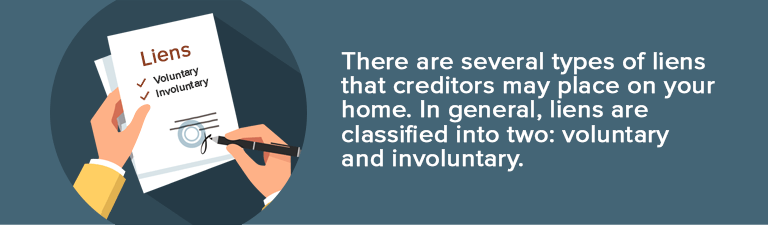
1. Voluntary Liens
These are liens that are both agreed to by a creditor and a debtor. The best example of a voluntary lien is a mortgage, which a homeowner freely enters into in order to finance his/her property. In a mortgage, the bank holds the lien in the event of a foreclosure. A contract is usually involved to place the voluntary lien on the property. The best thing about this type of lien is that it does not negatively affect the property, its title, or the homeowner's ability to convey or transfer title.
2. Involuntary Liens
Involuntary liens are imposed by law and are placed on a property due to unpaid obligations. These liens can happen without notice depending on the situation. They are usually placed on a property when a debtor falls behind in tax payments, judgments, or home improvement invoices. Involuntary liens are detrimental as they can make refinancing or selling your home difficult. They can leave you without a clean title and a huge black spot on your public record.

Property tax lien - If you neglect to pay your federal, state, or county taxes, the government may file a tax lien on your property. This lien usually takes priority over all other mortgages and liens on your home, even if it was placed last. Through this lien, the government can have your home sold to pay the real estate taxes. Nonetheless, you may still have the opportunity to get your property back by paying your overdue taxes and other costs.

Judgment lien - This type of lien can be placed on your property after a creditor sues you and wins the case. The creditor can use a judgment lien on your home to ensure that they will receive money. The court can grant a creditor a certificate of judgment that can be given to a land records office in the county where the property is located. Judgment liens are most commonly used by unsecured creditors, such as the holders of credit card debt, medical bills, and personal loans. It can also be imposed by an attorney if you do not pay your bill for legal services.

Mechanic's lien - A mechanic’s lien (often known as a contractor’s lien) is a claim for payment from any contractor in the home improvement business. General contractors, carpenters, plumbers, electricians, handymen, and other repair companies who worked on your home may file this lien on your property as insurance to make sure that they are paid. It is their legal recourse to force payments of overdue invoices, especially when the property will transfer ownership soon.
3 Common Ways Liens Can Slow Down a Real Estate Transaction
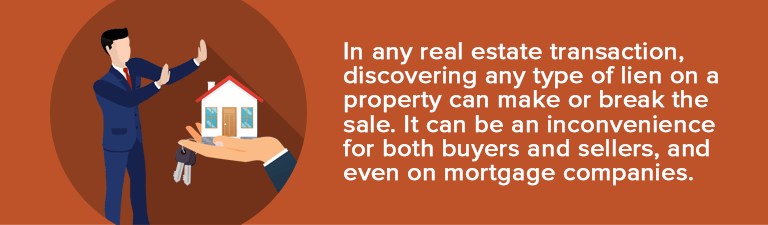

Once the title company performs a search for any liens that have been filed against your property and they discover a lien, it will put the real estate transaction temporarily on hold and delay the closing.
A property lien that is discovered before closing can delay or even cancel a buyer's mortgage approval. Strictly speaking, mortgage companies will not agree to finance a property until the lien is satisfied or paid off, usually by the seller.

If you're the seller, it can be very difficult to sell your property because buyers won’t purchase a home without a clear title. As previously mentioned, lenders won’t approve the purchase nor agree to finance the property. Certainly, it is your responsibility to pay off the lien on your property before you may be able to sell.
Note:
Remember that the creditors’ primary objective is to get paid. A property lien will remain in effect until the debt is paid off or if the judgment expires. Once the lien on a house is paid off, the creditor will be satisfied and the sale will usually go through. Except for property tax liens, creditors can be lenient because they usually forego foreclosure and may choose to collect what’s owed to them when you sell the property.
If My Property Has a Lien, What Should I Do?

Home Sellers:
If a property lien was found on your home, the first thing you should do is to determine if it actually belongs to you. Liens can be searched for by name, so it isn't impossible that multiple matches will appear. The best way to determine the validity of a lien is by working with your real estate agent and title company to find out how you can verify the issue.
However, if it is discovered that the property lien genuinely belongs on your house, you need to start resolving the issue as soon as possible. In most cases, there’s no need for you to be deterred from putting your property on the market. In the case of a mechanic’s lien, review the claim and match it against invoices and payment receipts. As a homeowner, if you’ve obtained a signed receipt from the contractor showing that the bill is already paid in full, it will be enough proof to file a lien release form.
In other types of liens, you need to get in touch with the lien holder and arrange how to pay off your debt. You might just have to bear with the additional expenses tied to clearing the lien and the delay in title transfer. In such difficult cases where you refuse to pay or want to contest the validity of the lien, you may consider the title company’s advice on how to best handle the situation or even seek legal counsel. The bottom line is that the sale of your home will be temporarily delayed until a definitive outcome can be reached between you and the lien holder.

Home Buyers:
Usually, buyers will be apprehensive to purchase a property without a clear title. The lender or mortgage company won't even approve the purchase or agree to finance the home, anyway. However, there are many instances where a buyer may be faced with the responsibility to pay off any lingering debts. There may be a lien against a previous owner, and now the debt is passed on to them. Such scenarios are possible especially if the buyer purchased a foreclosed home or a sale at auction, and if they skipped paying for a title insurance. It is crucial for buyers to know what they are getting into before bidding on such auctioned properties. They need to be aware of deals that are “too good to be true” because it can actually cost them much more than a traditional sale once they’ve become the new homeowner.